
The Vision and the Work Ahead
Leading His Hometown Through Growth with Faith, Accountability, and a Commitment to Expanding Opportunity
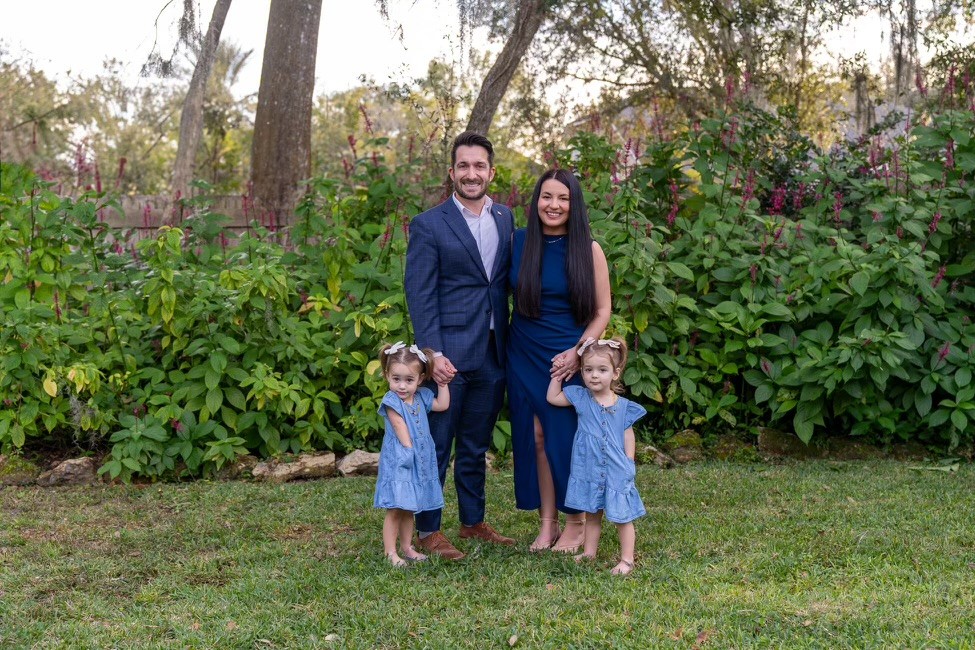
Mayor Nick Nesta leads Apopka, Orange County’s second-largest city and home to approximately 66,000 residents, at a consequential point in its growth. Decisions about housing, infrastructure, public spending, and economic opportunity will influence how families live, how businesses grow, and what future generations inherit. For Nesta, those responsibilities carry personal weight. Apopka is the city that raised him, the community where he established his business, and the place where he and his wife, Lauren, are raising their twin daughters.
An entrepreneur and real estate professional who served four years as a city commissioner before becoming mayor in April 2026, Nesta brings an understanding of both private enterprise and public responsibility to City Hall. His priorities connect the demands of a growing city with the foundations needed to sustain it. He is focused on strengthening infrastructure and improving city operations through financial discipline, clear direction, and support for employees. Alongside that work is a commitment to ensuring that growth creates opportunities for the people who call Apopka home.
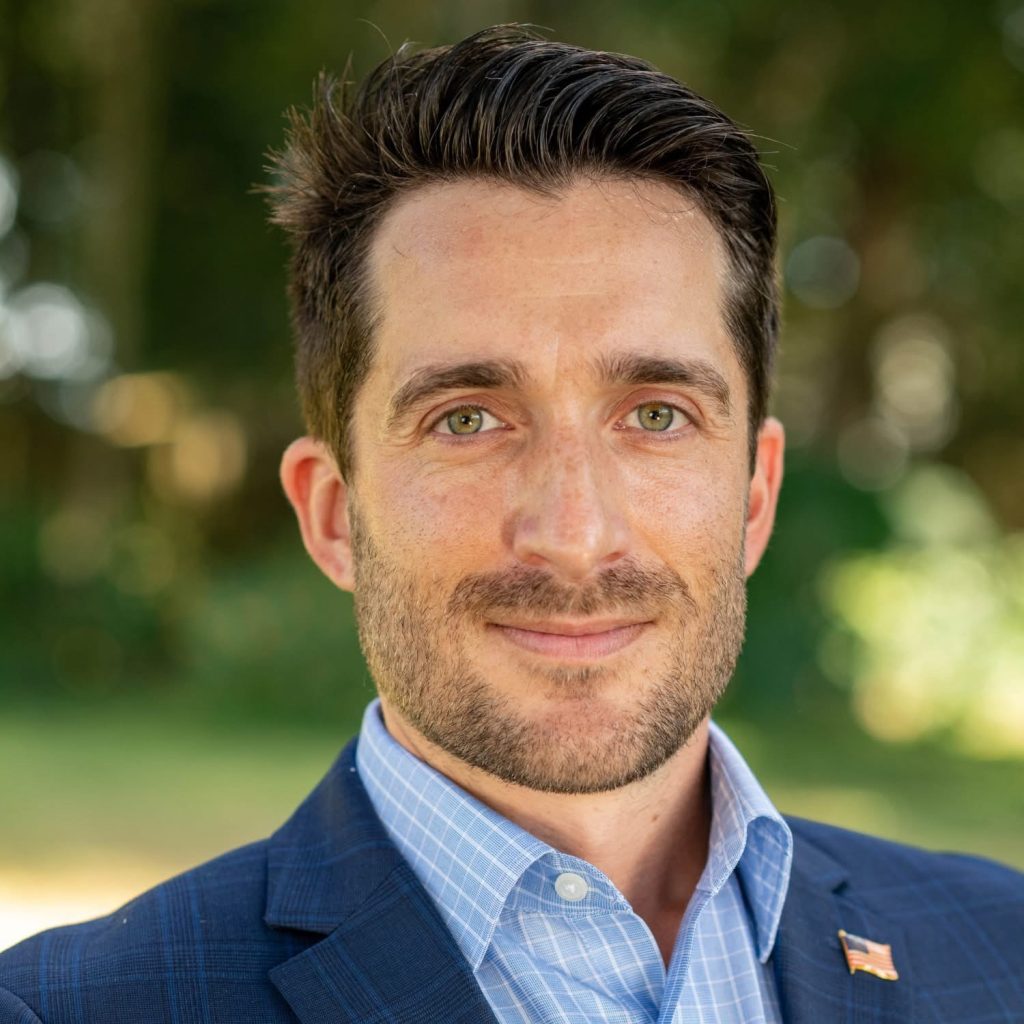
During VBD Magazine’s conversation with Nesta, the scope of that responsibility emerged alongside the warmth and accessibility of the man carrying it. He spoke candidly about his journey, the decisions before his administration, and the competing demands of leadership and family. His thoughtful responses revealed a man deeply invested in his hometown and conscious of what its residents expect of him.
ROOTED IN APOPKA
Nesta’s connection to Apopka began when his family moved there in the early 1990s. “I wasn’t born here, but I was definitely raised here,” Nesta says. He attended Trinity Christian School, Piedmont Lakes Middle School, and Apopka High School, then earned bachelor’s and master’s degrees in real estate from the University of Central Florida.
Between his undergraduate and graduate studies, he started the brokerage that became Nesta Real Estate Consultants. The business now involves his mother and sister, a family partnership he described with evident appreciation. The real estate industry gave him a professional understanding of the decisions through which a community changes, from the purchase of a home to the development of a business.
His stake in those decisions is also personal. The city’s future will shape his daughters’ childhood and the opportunities available to them as they grow. His interest in public service developed partly from dissatisfaction with the direction of local government and a desire to help shape the community his family calls home.
An unsuccessful run for office in 2020 preceded four years on the City Commission and his election as mayor in 2026. Those experiences deepened his understanding of local government and the concerns of residents. Becoming mayor brought broader responsibility for translating policy into the daily work of city government, from directing staff and setting priorities to overseeing the delivery of services. His early efforts focused on strengthening city operations and giving employees the direction and support they need to serve residents effectively.
MAKING GOVERNMENT ACCESSIBLE
Nesta’s account of accessibility begins with priorities. “I’m as accessible as I possibly can be for our residents, and I usually try to prioritize them over developers, or vendors, or anything else.”
Residents should feel welcome to share concerns, voice disagreement, and offer encouragement. Nesta believes they deserve his attention regardless of whether they support his decisions.
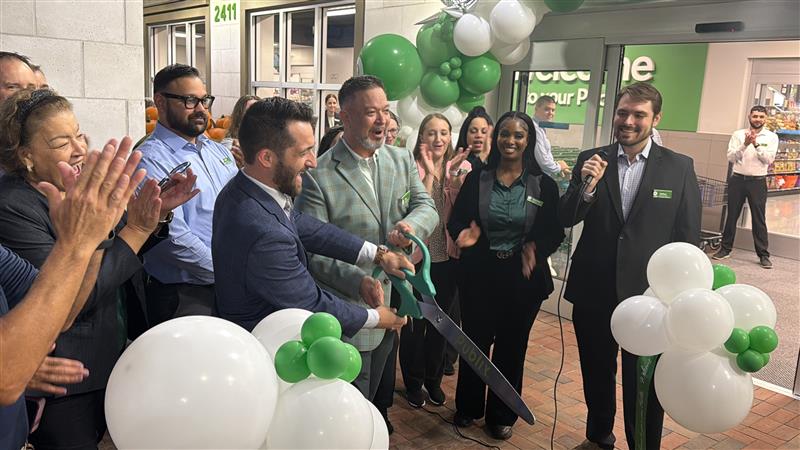
Nesta puts that commitment into practice through town halls, individual conversations, school visits, and community gatherings. He also described efforts to release meeting agendas earlier, giving residents more time to review the matters scheduled for discussion. His Mayor Monday updates outline the week ahead, while Steven Montiero, the city’s director of public information, provides an end-of-week recap of what was accomplished.
These routines matter because public participation depends on more than an invitation to attend a meeting. Residents need information early enough to consider it, ask useful questions, and understand how a decision may affect them. Regular updates help residents track progress, understand delays, and see whether the city is following through on its commitments.
Explaining problems while they remain unresolved is a harder responsibility. He emphasized the importance of telling residents what can be repaired promptly, what requires substantial investment, and how long the work may take. Those explanations give residents a basis for assessing the administration’s progress.
Discussing his obligation to residents, including those who did not vote for him, he offered a straightforward declaration. “I still work for you. I still represent you.”
THE PEOPLE BEHIND THE SERVICES
Nesta’s review of City Hall begins with how responsibility is assigned. He is restructuring city operations to clarify reporting relationships, improve coordination, and address gaps in how the organization functions. He wants employees to understand what is expected of them and residents to know that someone will follow their concerns through to resolution.
He also emphasizes that a change in leadership does not necessarily require replacing experienced staff. “In most cases, they didn’t need to be replaced. They needed better communication, clearer direction and the support to do their jobs.” His approach recognizes the knowledge employees bring while establishing clearer expectations for performance.
Improving operations means understanding where employees need support, where responsibilities overlap, and where changes can make service more dependable. The results matter to residents waiting for answers and to employees responsible for meeting their needs.
He places the responsibility for change first on those directing it. “Because before we ask our employees to change, leadership should be willing to change first.”
Read more here: Subscribe to VBD Magazine’s October 2026 Issue (Free)